Gorgazzo
The spring at Polcenigo, FriuliA geosite of national importance
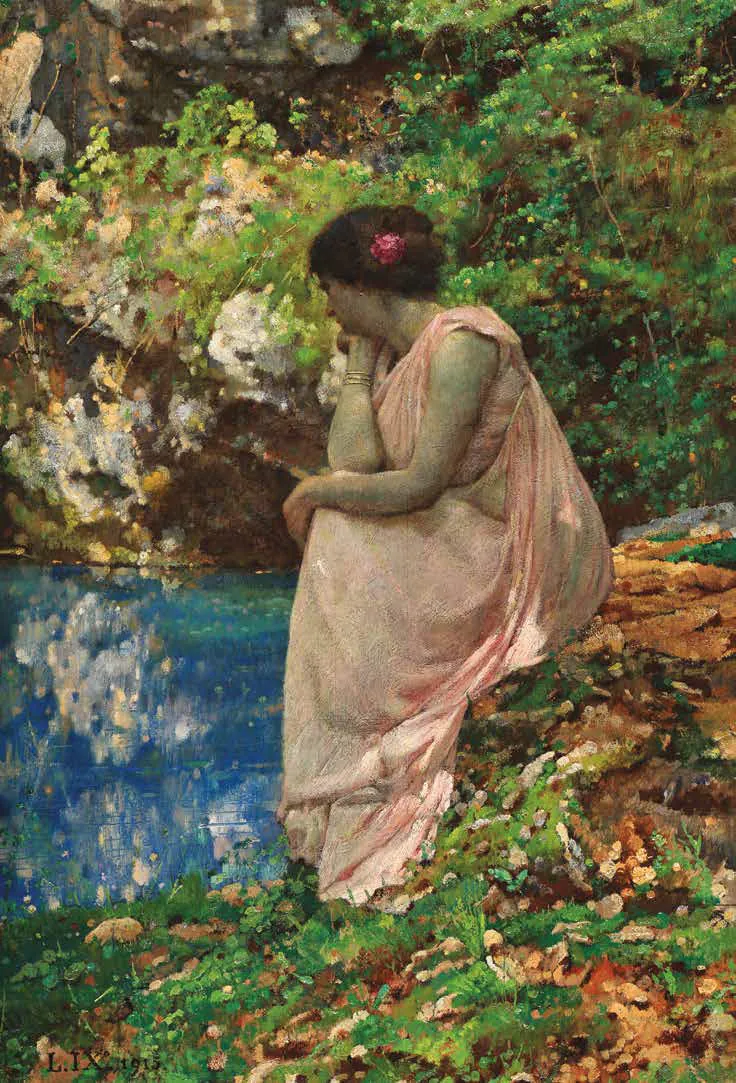
Public domain, via Wikimedia Commons
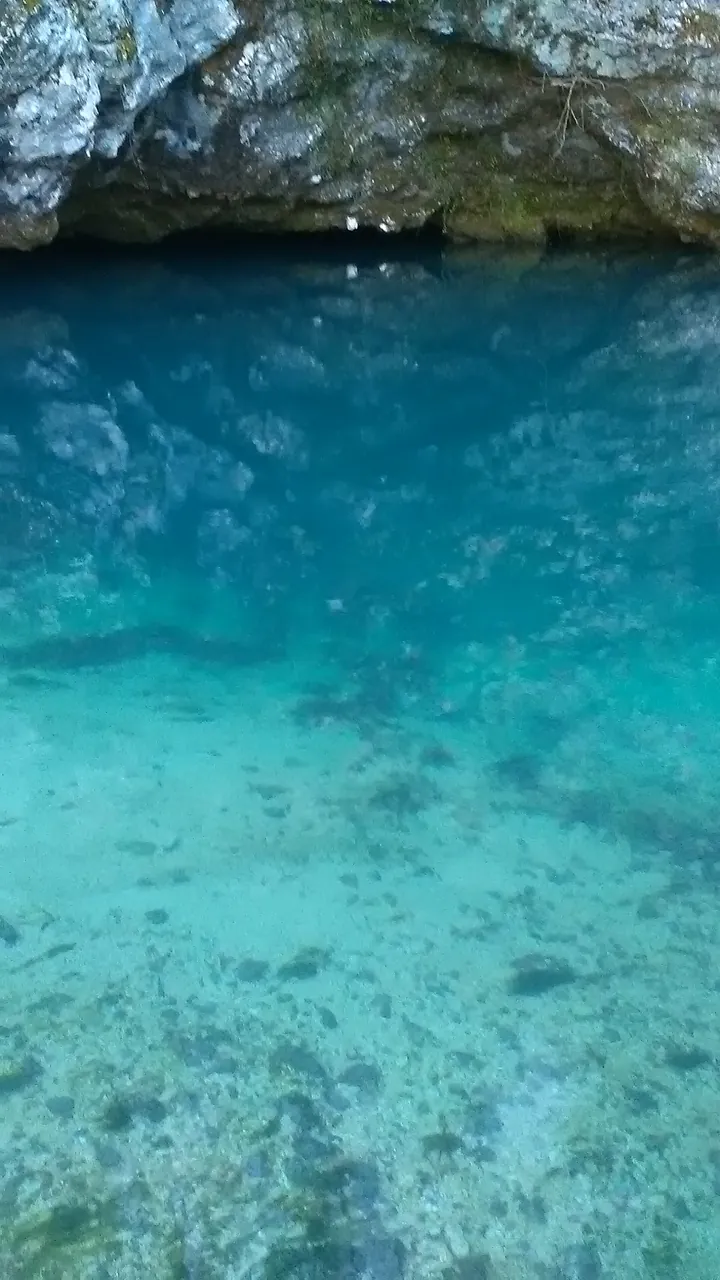
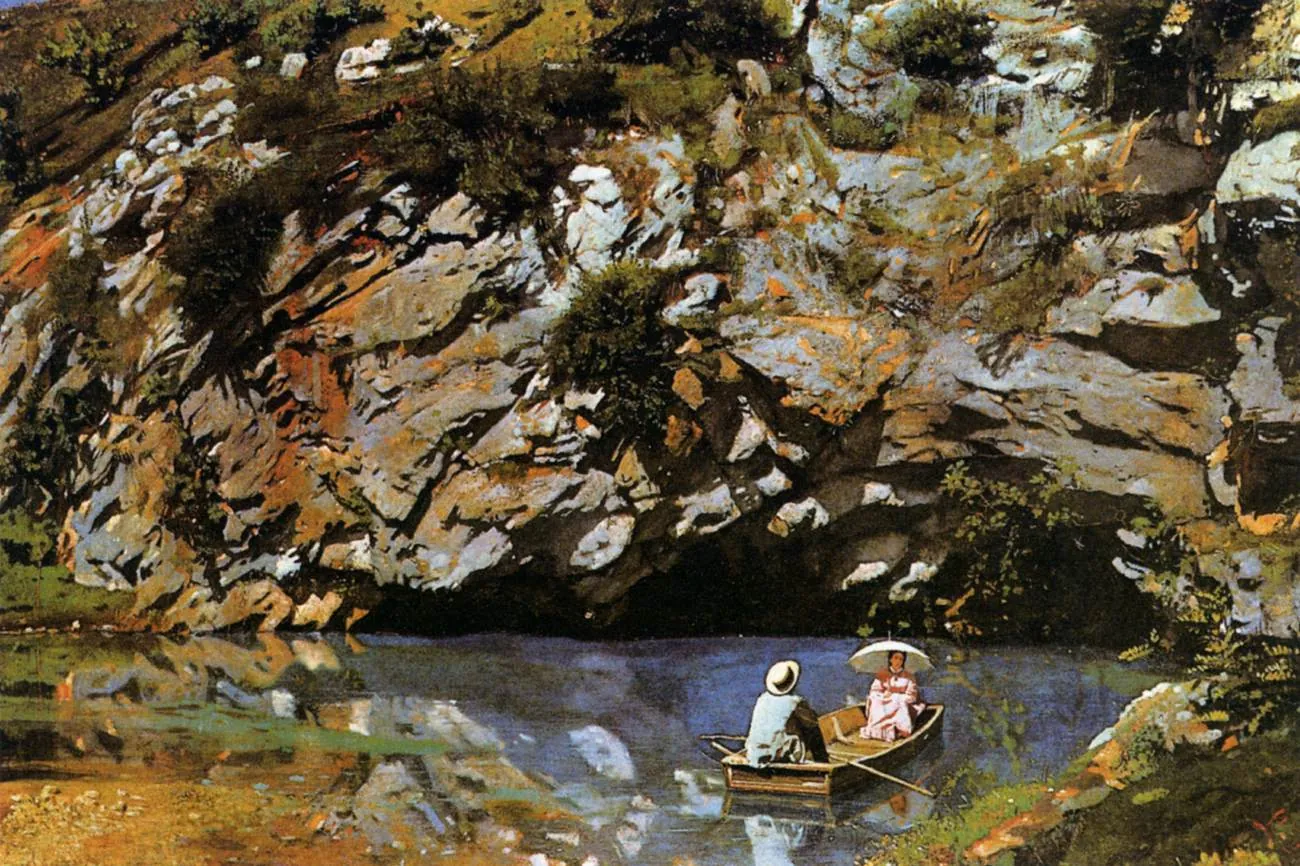
Public domain, via Wikimedia Commons
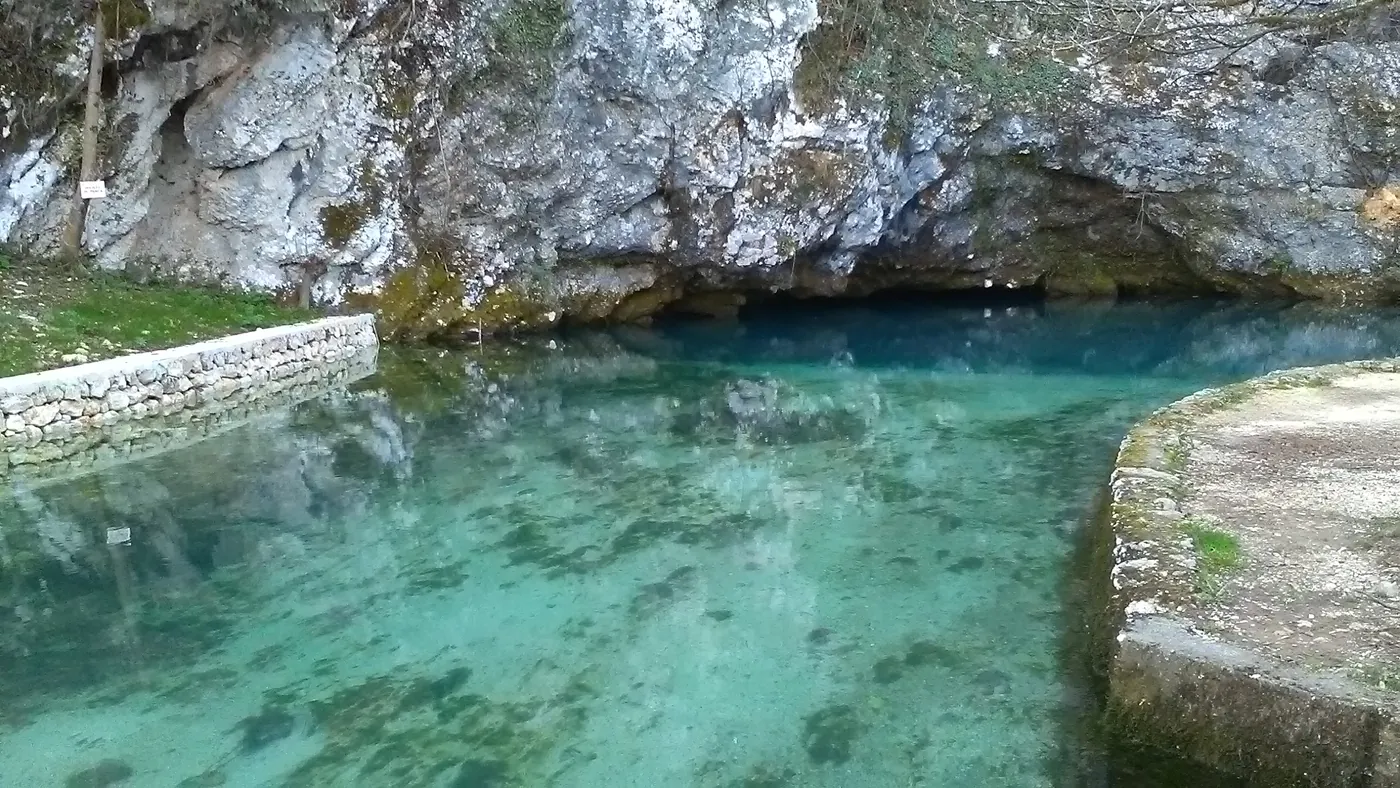
A flooded shaft at the foot of the mountains, explored to 222 m and still without a bottom. Its water turned Polcenigo’s mills, gave birth to the Livenza and helped carry Venice’s oar timber to the sea. This is a guide to the place, in English.
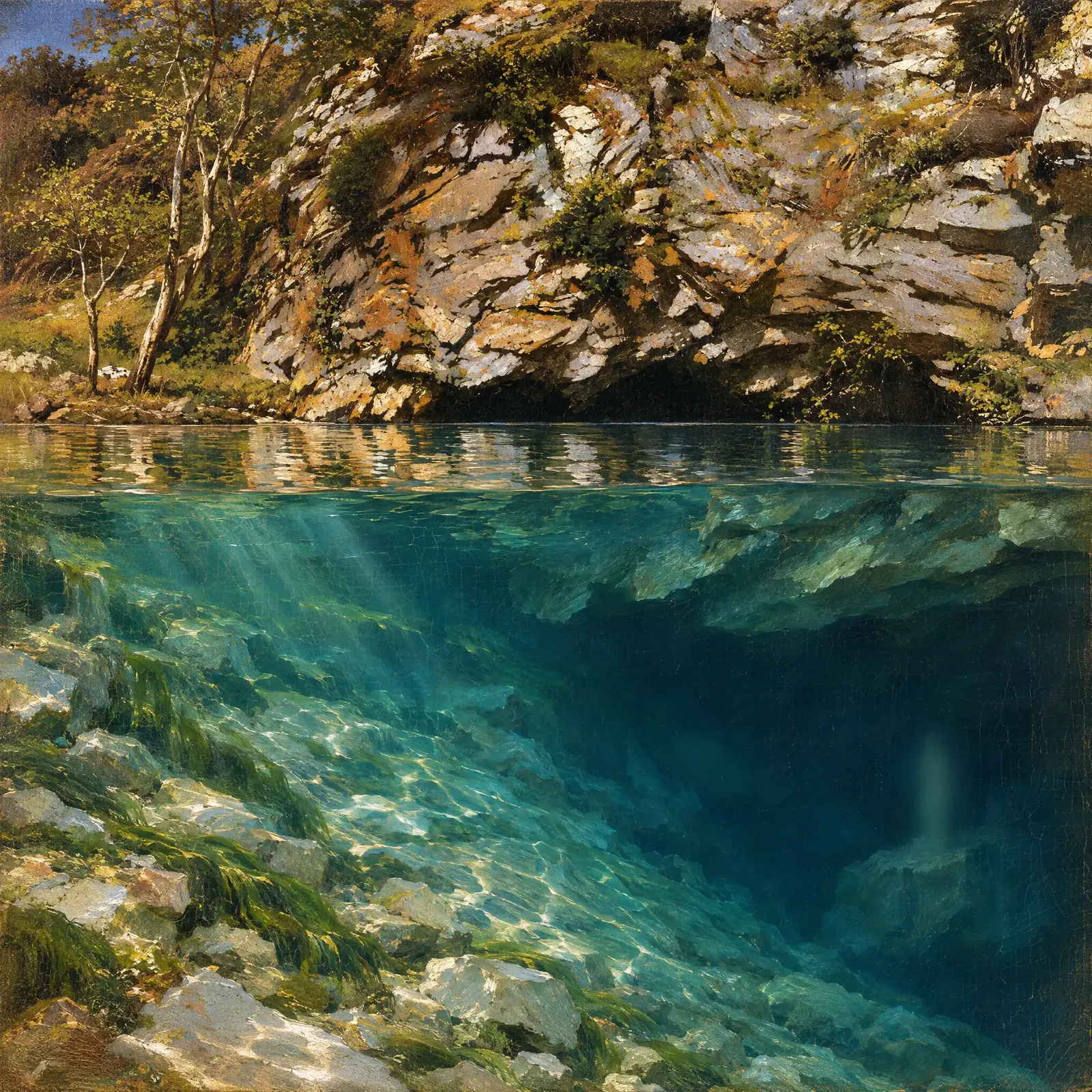
The same spring, 1872 and today
Luigi Nono’s 1872 view of the Gorgazzo spring is the best-known picture ever made of this place.


Start with a question
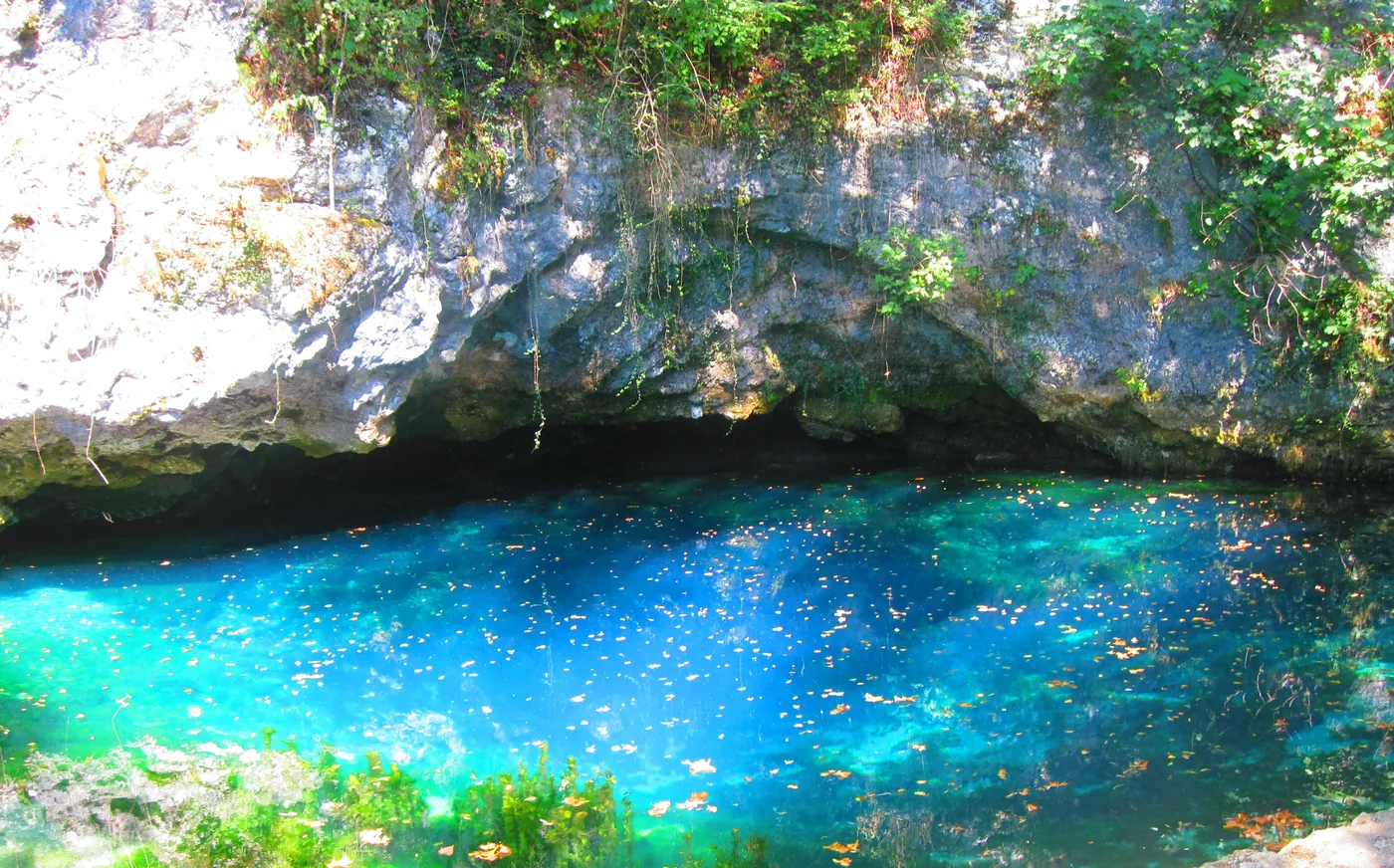 The springHow deep does it go?Divers have reached 222 m and found no bottom. How the spring formed, where its water comes from and who dived it.
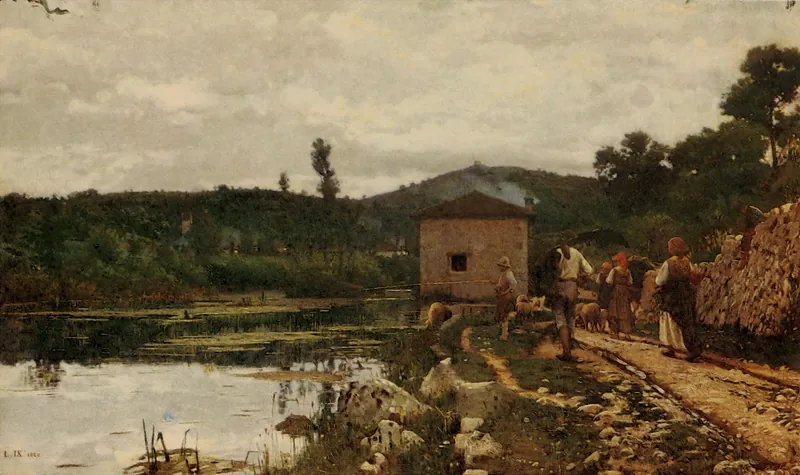 The riverDid this river build Venice?Partly. The Livenza carried the Republic’s oar timber, wine and trade; the piles under the city came mostly down the Piave.
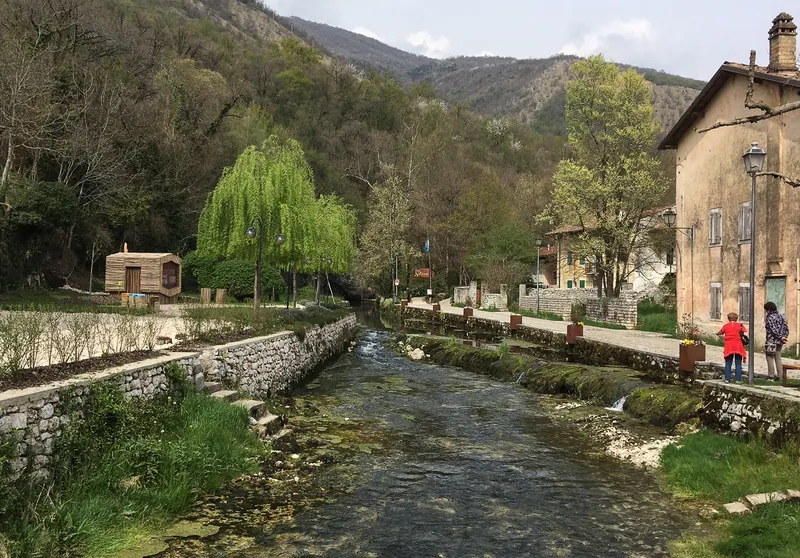
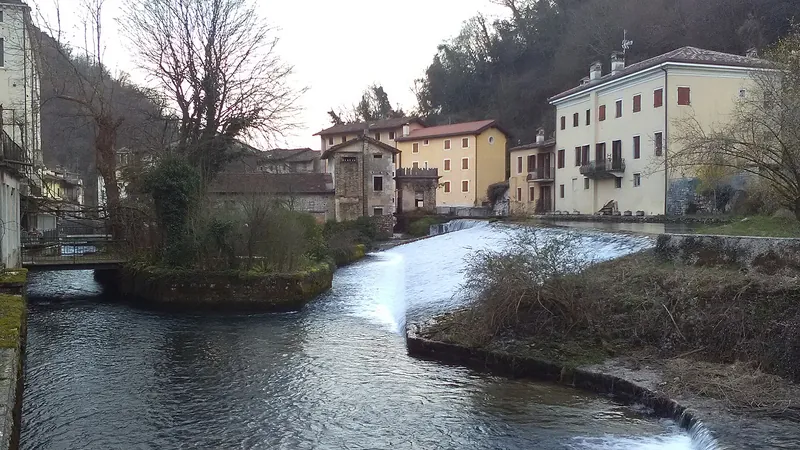 The millsWhat did the water turn?At least twelve mills, a hammer forge and three sawmills, beginning with two medieval mills in the meadow beside the spring.
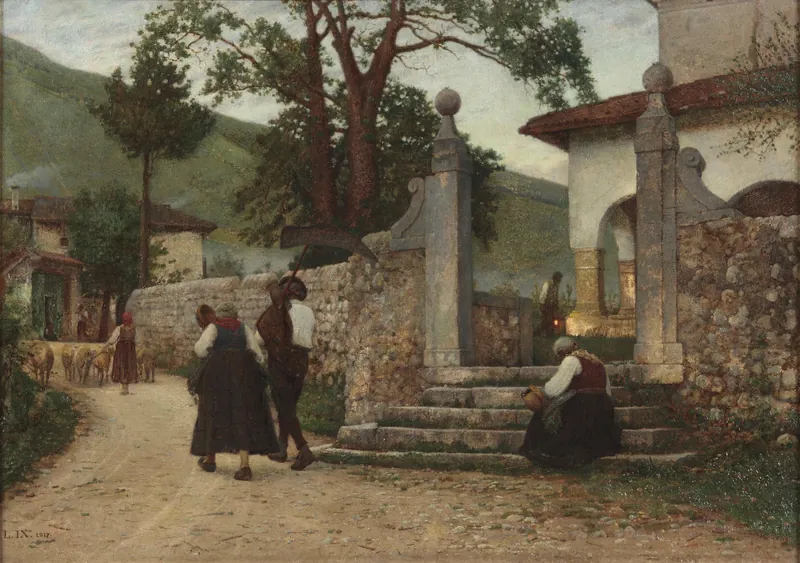 FriuliWhy is this Friuli?Lombard dukes, patriarchs and 377 years under Venice, and a Friulian dialect that shades into Venetian at this very spot.
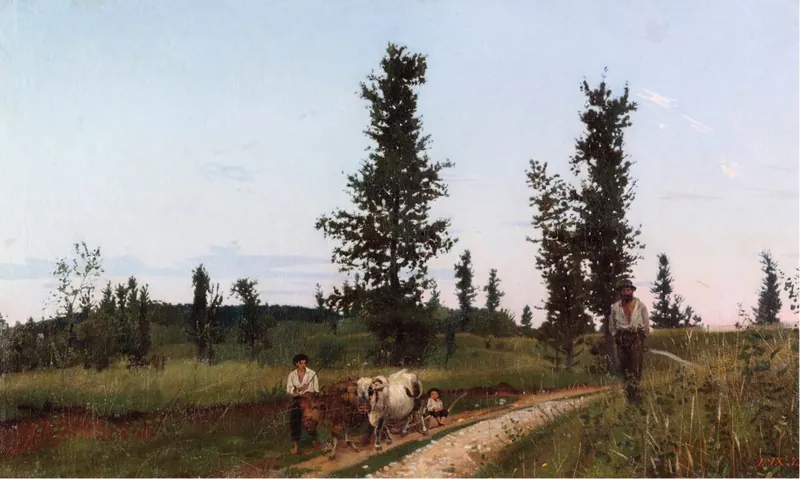 The picturesWho painted it?Luigi Nono in 1872, above all. A gallery of his paintings with old photographs, postcards and maps.
 VisitingWhat should I see while I’m here?The Christ at 9 m, the old mill, the Santissima, the UNESCO pile dwellings and Sacile, with the Italian words you’ll meet.
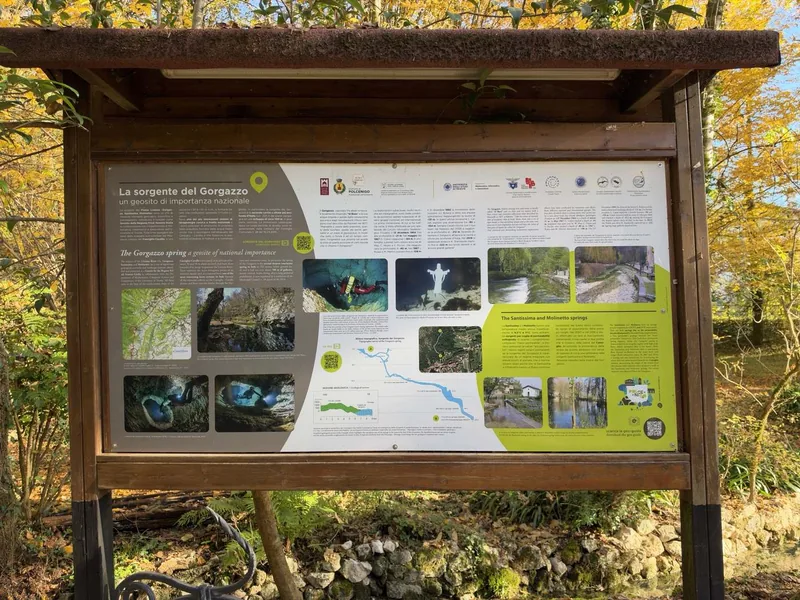 The panelWhat does the sign at the spring say?The whole information panel at the Gorgazzo, translated into English.
Pictures: the spring, photo by Andrea De Marco (cropped), CC BY-SA 3.0; the river, Luigi Nono, Verso sera sul Livenza, 1880; the mills, photo by Holapaco77, CC BY-SA 4.0; Friuli, Luigi Nono, Ave Maria a Coltura, 1917; the pictures, Luigi Nono, Verso sera presso Polcenigo, 1873; visiting, photo by Naturpuur, CC BY 4.0; the panel at the spring. The paintings are in the public domain; all except the panel photo come from Wikimedia Commons.
“Take the colour of emerald, that of turquoise, that of beryl, and throw them into a sea of lapis lazuli, so that everything melts together and yet each keeps its own character, and you will have the hue of that patch of liquid sky called the Gorgazzo!”
The short version
The Gorgazzo is a flooded karst shaft explored to 222 m below its surface. It is one of three springs that give birth to the Livenza, the river that tied this corner of Friuli to Venice.
- What it is a resurgence, where rain that sinks into the limestone mountains comes back out, at 52 m above sea level (cave register). Locals call it el Buso, “the hole”.
- How deep Polish cave diver Krzysztof Starnawski reached 222 m on 5 September 2019 (Scubaportal). Its deepest known point lies about 170 m below sea level.
- Its rank Italy’s deepest explored spring until February 2024, when a Polish team reached 227 m in the Elefante Bianco cave in Veneto (Divers24).
- Its river with the Santissima and Molinetto springs it forms the Livenza, navigable since antiquity and a trade route between Venice and northern Europe (Visit Sacile).
- The Venice link the Cansiglio forest above the springs was Venice’s “oar forest”. Beech poles went down to a port on the Livenza, then by boat to the Arsenale (Scatolificio Udinese).
- “The river that built Venice” partly true. The Livenza carried Cansiglio timber, wine and goods to Venice, and Polcenigo’s streams drove mills and sawmills. Most of the wood under Venice, though, came down other rivers, above all the Piave (see Did the Livenza build Venice?).